
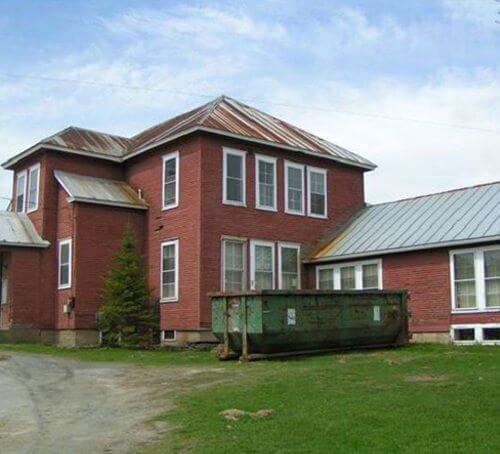
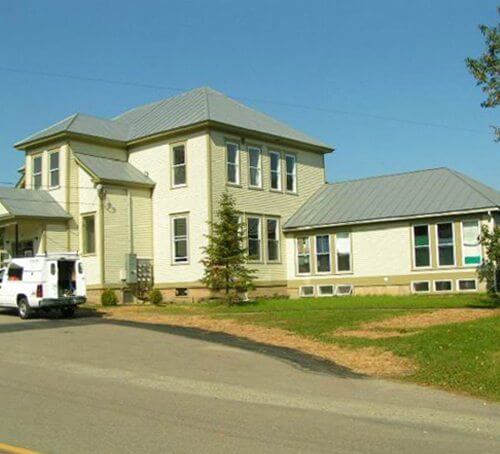
SANI-TRED® Roof Coating System: A Revolutionary Approach to Roof Protection and Longevity
When it comes to maintaining and extending the life of your roof, the SANI-TRED® roof coating system offers a comprehensive solution that outperforms traditional roofing methods. This innovative roof waterproofing system is designed to provide lasting protection, unmatched durability, and a wide range of benefits that make it an ideal choice for various roofing needs. Whether you’re dealing with a residential roof, a commercial building, or an industrial facility, SANI-TRED® has the tools to protect your investment and ensure the longevity of your roof.
Weather Resilience and Immediate Application
One of the most impressive features of the SANI-TRED® roof waterproofing system is its ability to be applied in various weather conditions, including cold weather, rain, or snow. This immediate resilience means that there is no need to wait for ideal weather conditions to begin or continue your roofing project. Once applied, the SANI-TRED® coating can withstand exposure to the elements almost instantly, preventing delays and ensuring a seamless roofing process. This is a significant advantage for contractors and property owners who need to complete projects quickly and efficiently, regardless of the weather.
Lifetime Durability and Unmatched Warranty
A roof is one of the most critical components of any building, and the SANI-TRED® roof waterproofing system is designed to protect it for the lifetime of the structure. Unlike traditional roofing materials that may degrade over time, the SANI-TRED® coating becomes stronger as it ages due to its unique polymer chemistry. This long-lasting durability is backed by a lifetime warranty, providing peace of mind to building owners who want a roofing solution that won’t require frequent repairs or replacements. This durability translates into long-term cost savings, as the need for ongoing maintenance is drastically reduced.
Cost-Effective and Environmentally Friendly Solution
One of the major benefits of the SANI-TRED® roof waterproofing system is its ability to reduce costs associated with traditional roofing repairs. Typically, repairing or replacing a roof involves removing the existing roofing material, which can be both labor-intensive and expensive. The SANI-TRED® system eliminates this step by allowing the new coating to be applied directly over the old roofing system. This not only saves money on labor and materials but also reduces the environmental impact by minimizing waste. By avoiding the need to strip away old roofing, SANI-TRED® helps to create a more sustainable and efficient roofing process.
Flexible and Convenient Repair Options
The SANI-TRED® system introduces an innovative feature known as "molecular welding," which allows for localized repairs to be made to the roof without the need for a complete overhaul. This means that small areas of the roof can be addressed individually on a pay-as-you-go basis, reducing the need for large-scale repairs and minimizing disruptions to the building’s occupants. This flexibility is particularly valuable for property owners who want to address specific issues without the expense or inconvenience of a full roof replacement. Additionally, the ability to waterproof as you go ensures that new roofing materials and the existing building structure remain protected from water damage during the repair process.
Transforming Unused Roof Space: Roof Coating
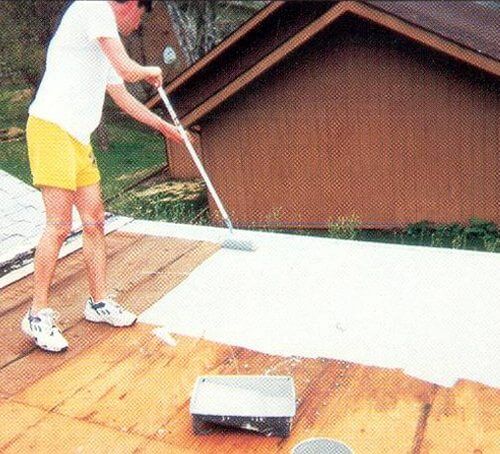
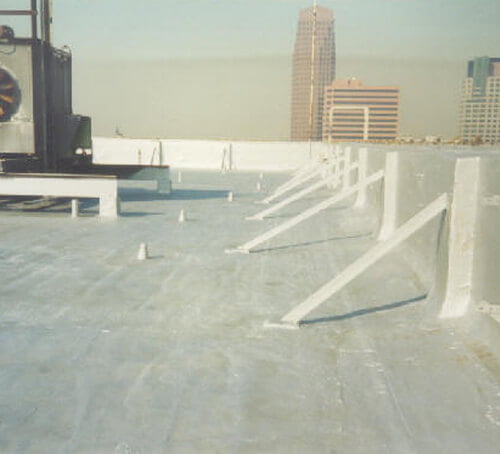
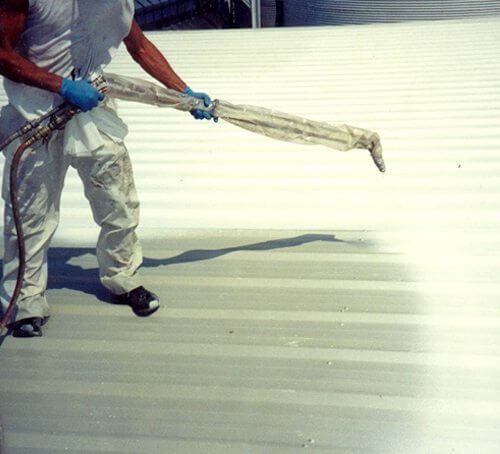
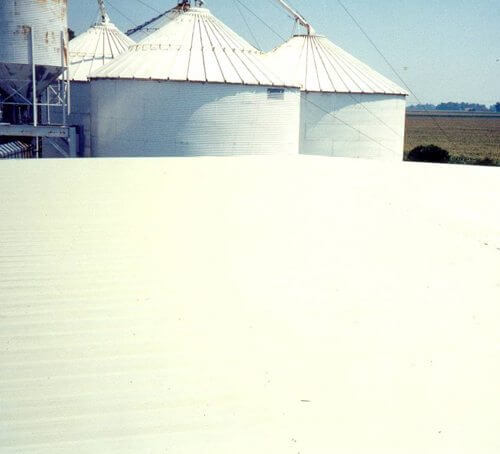
In addition to providing exceptional protection, the SANI-TRED® system offers the potential to transform previously unused roof space into functional, walk-on roof decks. The coatings are designed to withstand heavy commercial foot traffic, making them ideal for creating additional usable space on top of buildings. Whether you want to create a rooftop garden, a recreational area, or an additional workspace, the SANI-TRED® system can help you maximize the potential of your roof. The light color of the coatings also reflects sunlight, reducing heat absorption and helping to keep the building cooler, which can contribute to energy savings and a more comfortable indoor environment.
Superior Material Performance
Traditional roofing materials, particularly tar-based products, often suffer from issues related to expansion and contraction due to temperature changes. These materials can become brittle, crack, and eventually fail, leading to leaks and other problems. In contrast, the SANI-TRED® LRB/TAV mixture cures to a strong, solid, waterproof, adhesive rubber that does not change shape with temperature extremes. This stability ensures that your roof remains intact and protected, regardless of the weather conditions. Additionally, the SANI-TRED® system is highly versatile, allowing for custom fitting requirements, scupper designs, and other modifications to be made quickly and easily.
Unique Formulation and Versatility
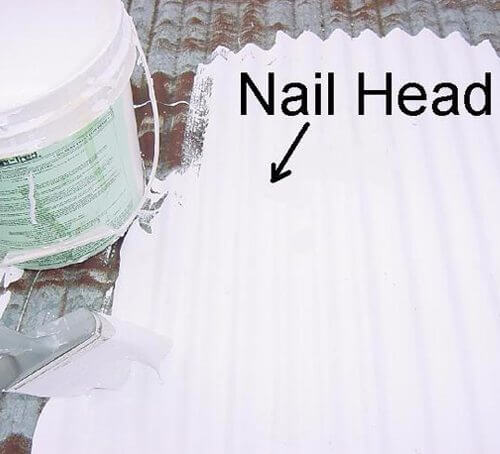
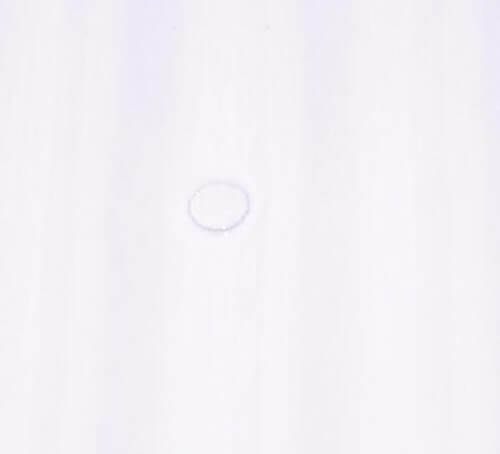
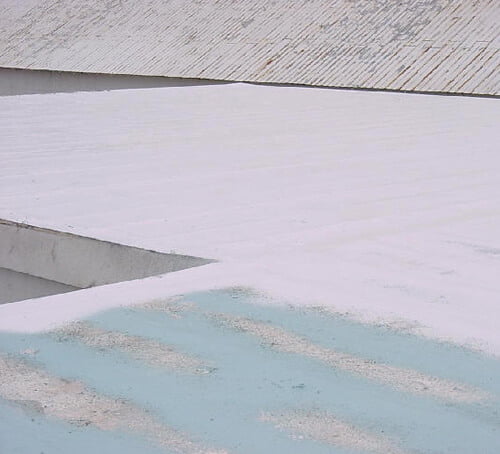
What sets SANI-TRED® products apart from other roofing options on the market is their unique formulation. Unlike many acrylic latex products that offer only limited durability, SANI-TRED® is designed to provide superior toughness and long-lasting performance. The system can be applied to a variety of surfaces, including pitched, galvanized, and painted steel roofs, making it suitable for a wide range of building types. This versatility extends to the system’s ability to seal nail heads, provide corrosion protection, and facilitate repairs, making SANI-TRED® an all-encompassing solution for both new construction and roof maintenance projects.
Monolithic Sealing for Ultimate Roof Protection
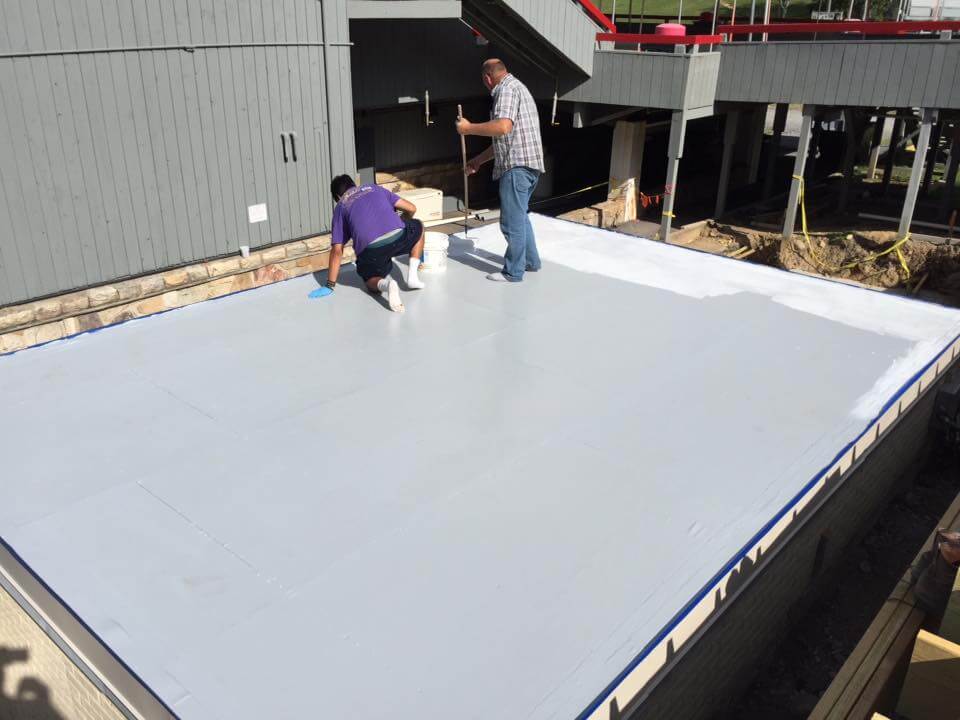
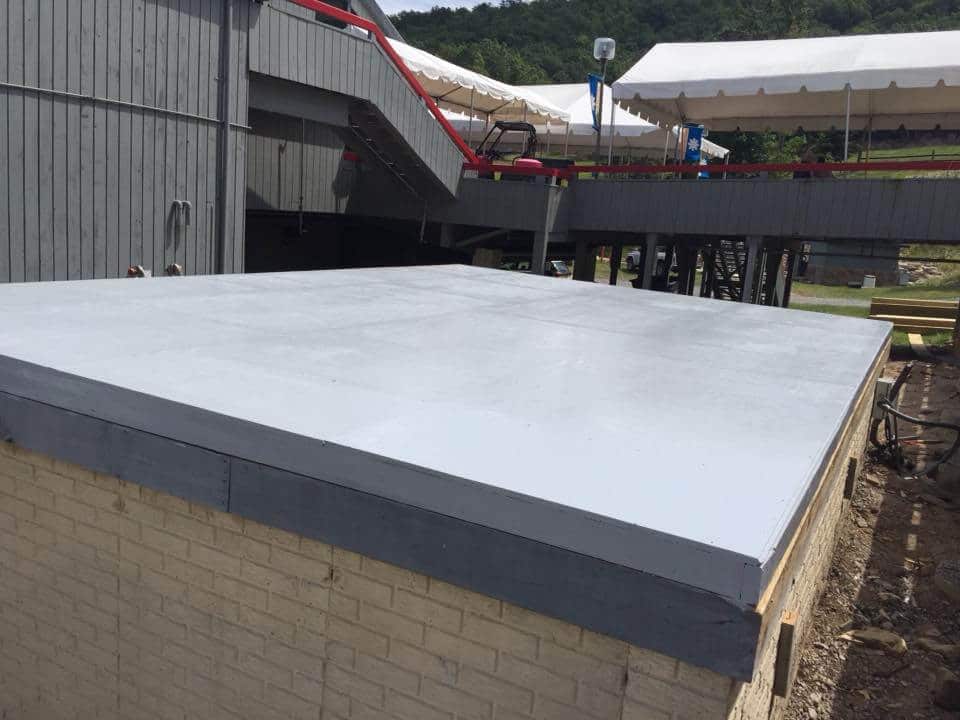
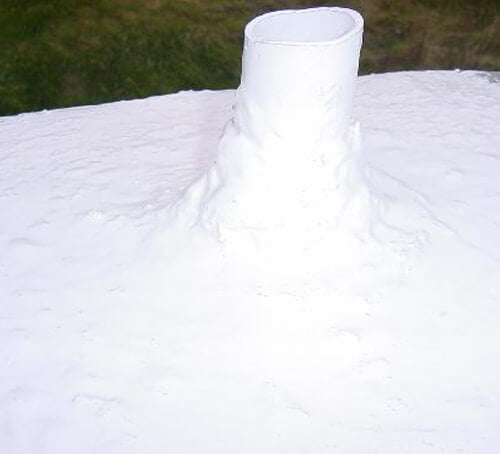
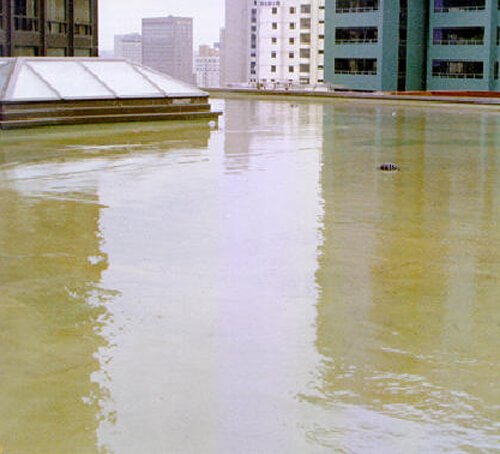
One of the most significant advantages of the SANI-TRED® flat commercial roofing systems is the monolithic (one-piece) sealing they provide. This approach ensures that the entire roof is covered in one continuous layer, with no seams or weak points that could allow water to penetrate. This monolithic sealing is particularly important in preventing water damage, as it eliminates the vulnerabilities associated with traditional roofing systems that rely on multiple layers and seams. By creating a seamless, watertight barrier, SANI-TRED® offers an unparalleled level of protection for your roof.
Comprehensive Roof Protection Solution
The SANI-TRED® roof coating system is more than just a protective layer—it’s a comprehensive solution that addresses a wide range of challenges faced by property owners and contractors. From its ability to be applied in various weather conditions to its cost-effectiveness and long-lasting durability, SANI-TRED® stands out as an ideal choice for anyone looking to maintain or upgrade their roof. The system’s unique features, such as molecular welding and monolithic sealing, provide additional peace of mind by ensuring a reliable and watertight roof that can withstand the test of time.
Conclusion: The Future of Roofing with SANI-TRED®
In summary, the SANI-TRED® roof coating system offers a multitude of benefits that make it a superior choice for roof maintenance and repair. Its innovative design and robust performance characteristics ensure that it can meet the needs of a wide range of buildings and applications. Whether you are looking to extend the life of an existing roof, create a new functional space, or simply ensure the highest level of waterproofing and protection, SANI-TRED® has the solutions you need.
With its lifetime warranty and proven track record of success, SANI-TRED® roof waterproofing system provides a reliable and cost-effective roofing solution that you can trust. By choosing SANI-TRED®, you’re not just investing in a roof coating—you’re investing in the future of your building, ensuring that it remains protected and functional for years to come
Permaflex, LRB (Liquid Rubber Base) and TAV (Thickening Activator)
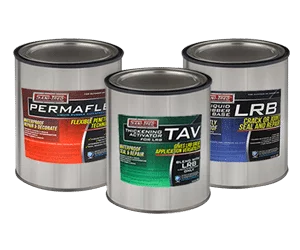
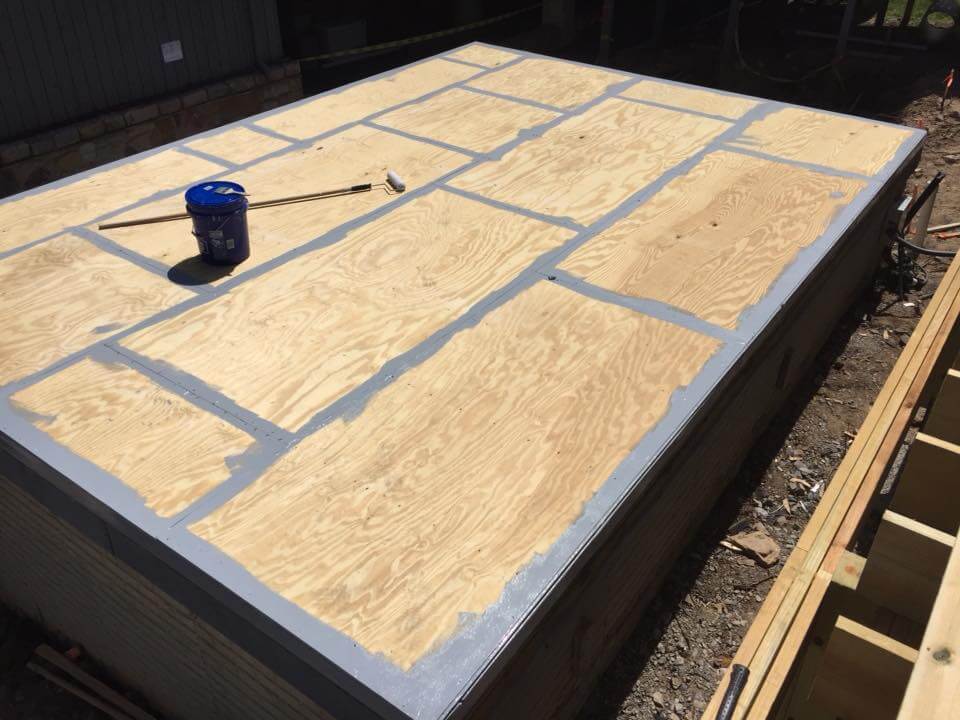
Permaflex is the top coat that seals metal, plywood, concrete and other types of roofing surfaces. It’s also functions as a first priming coat when using LRB (Liquid Rubber Base) and TAV (Thickening Activator). The priming coat fills holes & voids in the substrate.
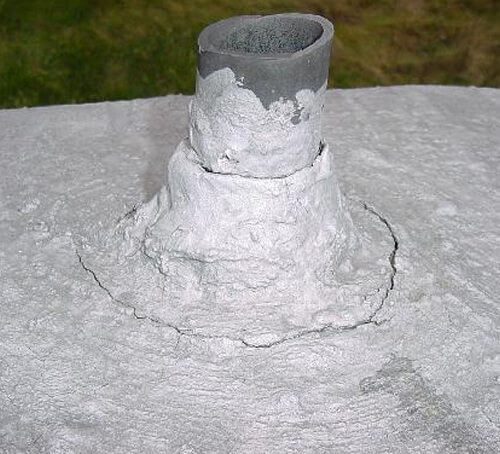
These two waterproof roof sealer products work together to patch and profile any joints, seams, cracks, holes or rough areas. Products are packaged separately because different mixes are required for different applications. We provide all the tools you need to take on any roofing project.
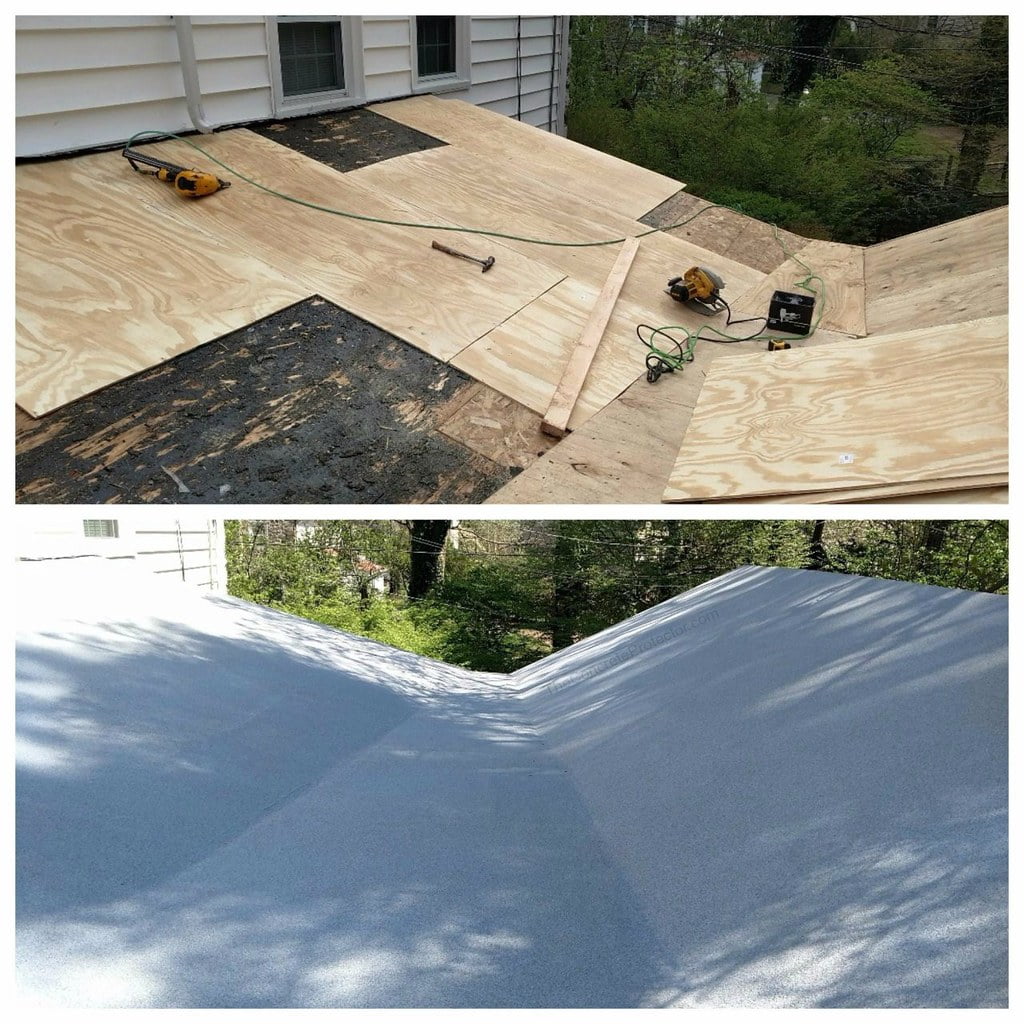
Using, ordering and installing the Sani-Tred system
The links below have everything you need to get started.
Comments are closed.